
01 / 05
Define what comfort looks like for you
Start by clarifying what comfort means in a hands on setting. Do you prefer a gentle, soothing touch or something that feels firmer and more focused? Think about how you like to be covered, how much movement you find relaxing, and whether background elements such as lighting or quiet matter to you.
Turn those preferences into simple questions to ask when comparing options. For example, which level of touch does this service emphasize? Is modesty and covering discussed? Which body positions are typically used? Framing your expectations helps when reading service descriptions or when confirming details with a provider.
02 / 05
Choose the pressure level that matches your comfort
Pressure is a key differentiator across services. Consider whether you want light, moderate or firm pressure, and whether you like gradual changes or a consistent level. If pressure tolerance varies by area of the body, note which areas you want softer or firmer work on and treat that as part of your preference list.
When evaluating a service, ask how pressure is usually described and whether adjustments can be made during the session. Phrase requests as preferences, for example, would you like primarily light pressure on the neck and firmer pressure on the shoulders? Preparing examples can make it easier to communicate once you arrive.
03 / 05
Think about focus areas and positioning
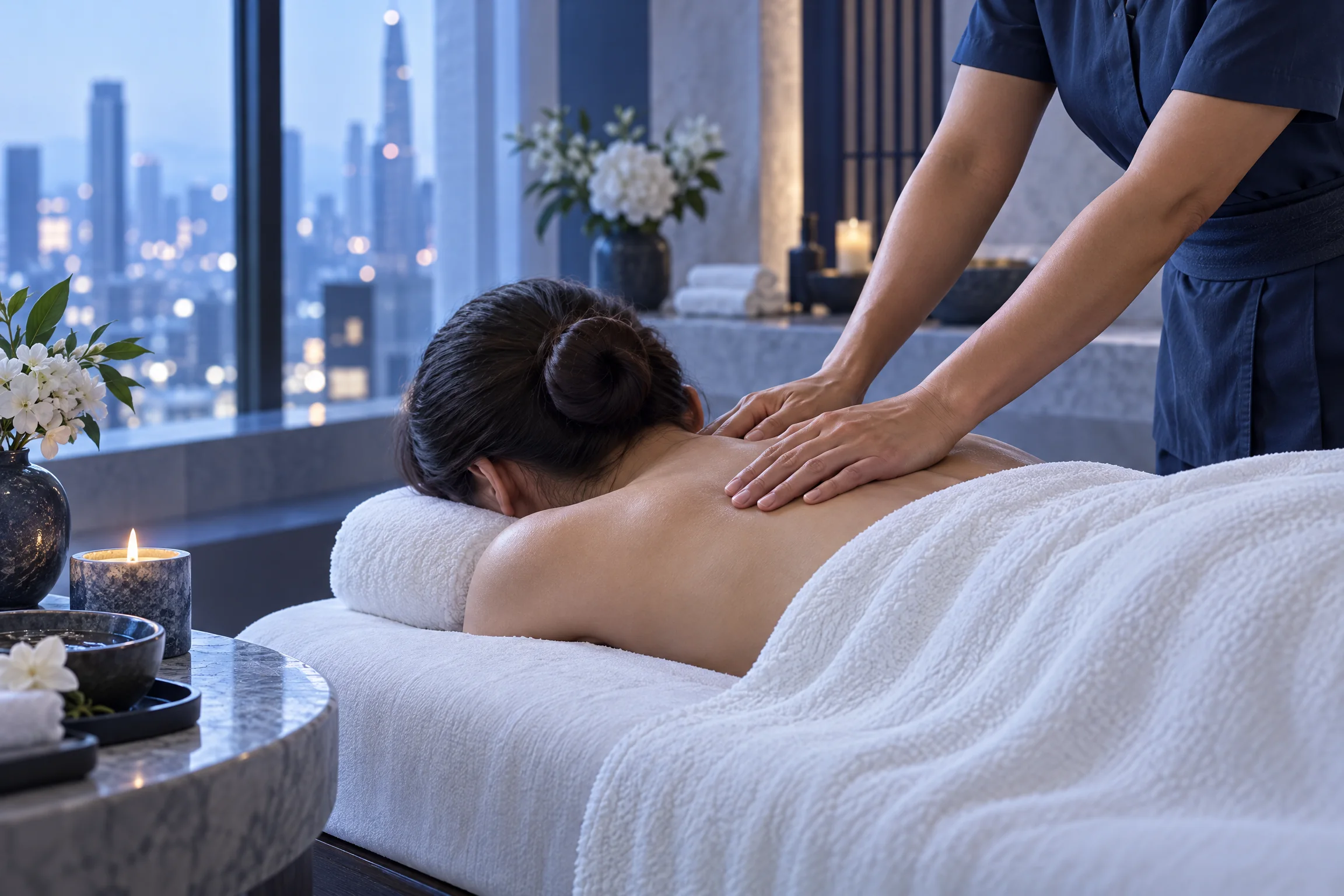
Some people prefer a full body approach while others want attention on specific areas such as the back, neck or legs. Decide whether you want an even spread of attention or a session concentrated on problem spots. Also think about body positioning: do you prefer to remain face up, face down, or a mix of both during the time?
Use targeted questions when comparing service descriptions. Ask whether sessions typically allocate time to focus areas and how that time is divided. If a certain body position is uncomfortable, note that up front as a preference to verify whether an alternative is commonly offered.
04 / 05
Match sensory and environmental preferences
Sensory details shape the experience. Consider whether you prefer a quiet space, soft music, scented oils, or no added scents at all. Think about tactile elements such as the type of oil, lotion or fabric you find most pleasant. These are personal choices and worth listing before you review options.
When comparing services, ask which sensory elements are typical and which can be adjusted. For instance, is music used and can it be turned off? Are scented products used and can unscented options be requested? Framing these as questions helps you confirm what aligns with your comfort.
05 / 05
Practical questions to compare and verify
Prepare a short checklist to use when reading descriptions or contacting a provider. Useful items include preferred pressure level, primary focus areas, positions you find comfortable, sensory preferences, and any mobility concerns. Keep questions concise so it is easy to get clear answers.
Also consider asking about session length and what that typically covers, then match that against how much focus you want on particular areas. If a price or option is not listed where you look, verify current information directly before deciding. For additional context, you can consult related pages such as /services/ or /prices/.