
01 / 05
Begin with clear scent preferences
Which smells do you naturally gravitate toward in everyday life? Think about perfumes, candles, or beverages you enjoy. Asking yourself if you prefer floral, citrus, woody, spicy, or herbal aromas helps narrow choices. Consider examples like fresh citrus for an uplifting scent or warm spice for something richer as simple reference points.
Would you rather a scent that brings a specific memory or one that feels neutral and familiar? Try listing two to three favorite aromas and two to three you dislike. These quick lists make it easier to communicate preferences when inquiring about scented massage options, and they work as personal guidelines irrespective of any studio specifics.
02 / 05
Phrase fragrance sensitivity concerns as questions
Have you had reactions to perfumes, scented products, or strong room fragrances in the past? If so, consider asking how a studio manages fragrance intensity or whether unscented alternatives are available. Framing the issue as a question helps you get clear answers without implying medical diagnosis.
What specific signs would indicate a sensitivity for you, and what accommodation would you prefer? Examples include requesting very light scents, bringing your own product, or choosing no added fragrance. Label any necessary accommodations as things to confirm directly with the studio before a visit.
03 / 05
Decide on scent intensity and presentation
Do you prefer a subtle background aroma or a clearly noticeable fragrance? Intensity choices range from faint to prominent, and thinking about this beforehand clarifies what to ask. Compare it to choosing a candle strength at home: some people want barely-there notes while others look for a pronounced presence.
Would you feel more comfortable if the scent were contained to a product you touch or if it were diffused into the room? These are practical questions to pose. If you are unsure how long a scent might linger on clothing or hair, consider asking the studio to describe typical scent intensity and persistence as something to verify directly.
04 / 05
Explore common scent families with examples
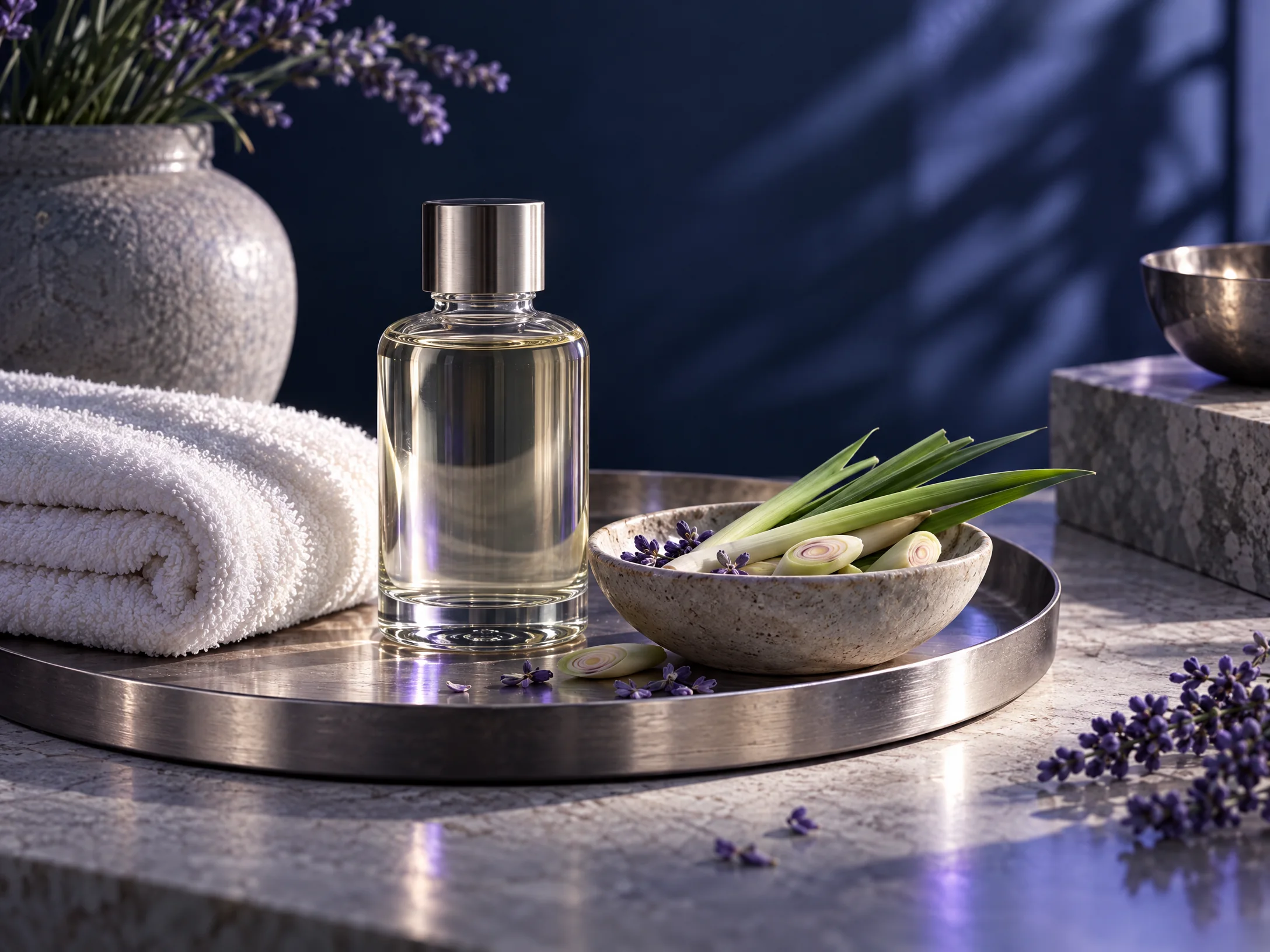
Which family speaks to you: floral, citrus, herbal, woody, or spicy? Floral examples include scents often described as lavender or rose. Citrus examples include lemon or bergamot. Herbal examples include rosemary or mint. Woody and spicy examples might be sandalwood or cinnamon. Use these labels to explain your taste without making health claims.
Are there specific memories you want to evoke or avoid when selecting a scent? For instance, a fresh citrus note might feel bright to one person and sharp to another. Listing a couple of concrete examples helps a studio match a scent family to your preference or to suggest alternatives, with the caveat that you should verify exact products and methods directly.
05 / 05
Practical questions to ask and local verification
What should you confirm before arriving? Consider asking whether unscented options exist, how strong typical scents are, and whether it is possible to sample or smell a product in advance. Phrase each point as a direct question and mark the answers as things to verify with the studio or staff.
If you need contact or location details for verification, note the studio address and contact channels provided by the site. For example, you may check 51 Gulshan Avenue, Dhaka 1212, or use the contact route at /contact/ to confirm specifics. Treat any operational details you receive as subject to direct verification.